Uterine Fibroids: 7 Symptoms Women Should Not Ignore and When Treatment May Be Needed
Book Appointment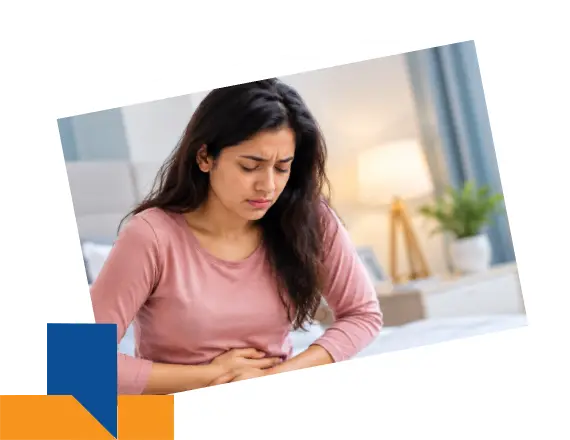
Uterine fibroids are non-cancerous growths made of muscle and fibrous tissue that develop in or around the womb. You may have one or several, ranging from small growths to much larger masses.
Many cause no symptoms and are found during an examination or scan. When symptoms occur, their severity depends partly on the size, number and position of the fibroids.
Perhaps you are changing sanitary pads much more often, waking at night to change them or bleeding for longer than usual.
Fibroids and heavy bleeding can occur together, particularly when growths affect the womb cavity. Bleeding that limits work, sleep or travel deserves attention, even if you have gradually become accustomed to it.
Fibroid pain may feel like aching, cramping or heaviness low in your abdomen. Some women notice discomfort during their period; others feel pressure between periods too.
Describe where the discomfort occurs and how often it returns. These details help your doctor distinguish possible fibroid symptoms from other causes of pelvic pain.
A fibroid pressing against the bladder can make you need the toilet more frequently. You may also feel that your bladder has not emptied properly.
These symptoms can have other explanations, including urinary infections. Rather than assuming they are something you must live with, arrange an assessment if they persist.
Depending on their position, fibroids may press against the bowel and contribute to constipation or discomfort when passing stools.
Persistent bowel changes need checking, especially alongside pelvic pressure or heavy periods. Mention the full picture at your appointment, even if the symptoms seem unrelated. It can help your doctor understand what needs investigating.
Larger fibroids can enlarge the womb, making your lower abdomen feel fuller or appear more prominent. You might notice that your waistband feels tighter.
Persistent or increasing abdominal swelling should be assessed. Fibroids are one possible cause, but an examination and appropriate tests are needed to establish the reason.
Fibroids can sometimes cause discomfort during sex. Their size and position may contribute, although infections, endometriosis and other conditions can also cause pain.
It may feel awkward to mention, but this is a valid medical concern. Tell your gynaecologist when the pain happens and whether it is new or becoming worse.
Heavy menstrual bleeding can lead to iron deficiency anaemia. You may feel unusually tired, weak or less able to manage everyday activities.
Tiredness alone does not diagnose fibroids or anaemia. However, when it accompanies heavy periods, your doctor may recommend blood tests and discuss ways to manage both the bleeding and any iron deficiency.
Your gynaecologist will ask about bleeding, pain, bladder or bowel symptoms and pregnancy plans. An examination and pelvic ultrasound can help identify fibroids and show their size and position.
Bring previous scan reports and a record of your symptoms. Explaining how they affect daily life is as useful as describing the pain itself.
Not every fibroid needs treatment. If you have no symptoms or only minor discomfort, your doctor may recommend monitoring. Treatment becomes more relevant when bleeding causes anaemia, pain persists, pressure affects nearby organs or certain fibroids interfere with fertility. Your health, preferences and plans for pregnancy also matter.
Uterine fibroids treatment may include:
Discuss future pregnancy before choosing a procedure. The benefits, limitations and risks differ between options.
Seek urgent medical help for severe vaginal bleeding or sudden, sharp pelvic pain, particularly with faintness or marked weakness. Do not assume these symptoms are simply your usual fibroids.
Neotia Bhagirathi Woman and Child Care Centre, Guwahati, offers obstetrics and gynaecology services, including menstrual disorder management and gynaecological surgery.
If heavy periods or pelvic discomfort are affecting your routine, book a gynaecology consultation. Start with a conversation about your symptoms, concerns and what you want treatment to achieve.
Uterine fibroids are benign growths. However, unusual bleeding or a pelvic mass needs proper assessment rather than self-diagnosis, even if you have previously been told you have fibroids.
Many women with fibroids conceive and have healthy pregnancies. Some fibroids can affect fertility or pregnancy, depending on their position and size. Discuss your plans with your gynaecologist.
Yes, fibroids often shrink after menopause as hormone levels fall. However, troublesome symptoms should be assessed rather than endured while waiting for this to happen.
Size is only one consideration. Symptoms, location, number of fibroids and pregnancy plans also influence decisions. A smaller fibroid affecting the womb cavity may still cause significant problems.
No. Monitoring or medicines may be appropriate, and procedures such as embolisation may offer another option. Your gynaecologist can explain which choices fit your symptoms and reproductive plans.
