Endometriosis: Overview, Causes and Treatment
Book Appointment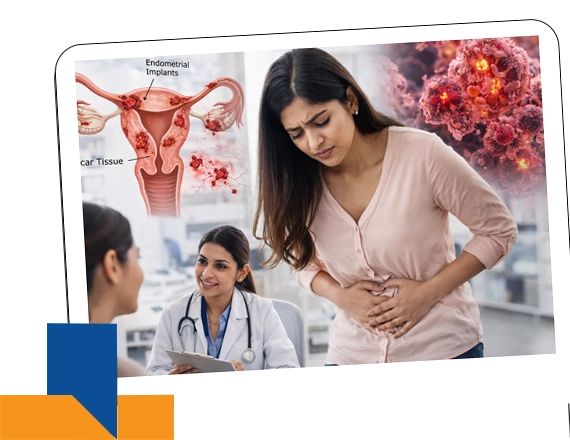
Endometriosis is a chronic and often painful condition in which tissue similar to the lining of the uterus (endometrium) grows outside the uterus. This misplaced tissue commonly affects the ovaries, fallopian tubes and the pelvic lining. However, albeit rarely, it can spread beyond the pelvic organs. Although it is a common gynaecological disorder, endometriosis is frequently underdiagnosed due to its varied symptoms and overlap with other conditions.
Let’s take a more detailed look at what endometriosis entails. In a normal menstrual cycle, the endometrial lining thickens, breaks down and sheds as menstrual blood. In endometriosis, the tissue growing outside the uterus behaves similarly. It thickens and bleeds with each cycle. However, unlike menstrual blood, it has no way to exit the body. This leads to inflammation, swelling and the formation of scar tissue (adhesions), which can cause organs to stick together.
Common symptoms of endometriosis include pelvic pain, especially during menstruation, pain during intercourse, heavy menstrual bleeding, fatigue and in some cases, infertility. The severity of symptoms is not always proportionate with the extent of the disease. In fact, some women with mild endometriosis experience severe pain, while others with advanced disease have minimal symptoms.
Unfortunately, the exact cause of endometriosis cannot be pinpointed. However, there are several theories about the origin of the disease which are as follows:
Unfortunately, there is no definitive cure for endometriosis. However, several treatment options are available to manage symptoms and improve quality of life. The choice of treatment depends on the severity of symptoms, age and reproductive goals.
Endometriosis is a complex condition that can significantly impact a woman’s physical and emotional well-being. Early diagnosis and a tailored treatment approach are essential for effective management. Increased awareness and timely medical consultation can help improve outcomes and quality of life.
