Child Health During Monsoon Season – Parent's Practical Guide
Book Appointment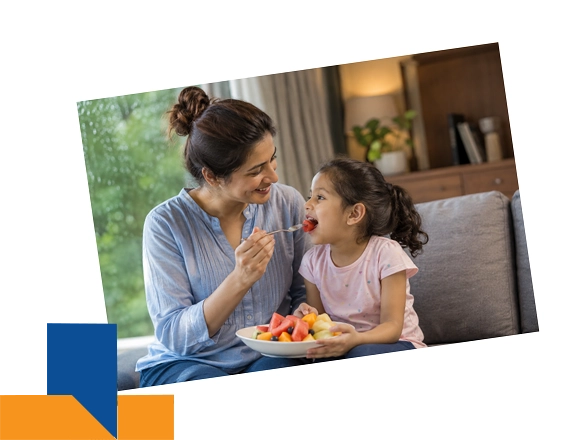
For children, the monsoon often means splashing through puddles, enjoying the cooler weather and watching the world turn green. For parents, however, the rainy season can also bring an extra reason to stay watchful.
The combination of rain, humidity, contaminated water and increased mosquito activity can raise the risk of monsoon illnesses in children, including colds, stomach infections and mosquito-borne diseases. Children may be particularly vulnerable because they are frequently outdoors, touch different surfaces and may not always remember basic hygiene habits.
The good news is that child health during monsoon does not require complicated routines. Nutritious food, good hygiene, safe drinking water, adequate sleep, mosquito protection and timely vaccinations can all help support your child's overall health and natural immune function.
Here are practical monsoon health tips for children every parent can follow.
The rainy season can create conditions in which infections spread more easily. Water contamination may contribute to gastrointestinal illnesses, while mosquitoes that breed around stagnant water can transmit infections such as dengue. Good hand hygiene and access to safe drinking water are important measures for reducing exposure to infectious diseases.
Children are naturally curious and active. They may play outdoors, get wet in the rain, share food or water bottles at school, or forget to wash their hands before eating.
Therefore, child immunity during monsoon should not be approached through quick "immunity boosters". Instead, parents should focus on healthy habits that support the immune system while reducing unnecessary exposure to infection.
A healthy immune system needs adequate nutrition. Parents must realise the importance of healthy food for children during monsoon and serve their kids freshly prepared, home-cooked food whenever possible. Meals should include a healthy balance of:
For healthy child nutrition, protein is particularly important as it aids their growth and development, so include age-appropriate sources such as eggs, pulses, lentils, fish, chicken, paneer or other foods your child normally eats.
Wash fruits and vegetables thoroughly before serving them and avoid food that has been left uncovered or stored improperly.
There is no single "immunity food" that can prevent seasonal infections. A varied, balanced diet eaten consistently is much more valuable for supporting child immunity during monsoon than relying on one particular food, drink or supplement.
Parent tip: Make healthy food for children during monsoon but make sure it is colourful and interesting as well. A plate containing different vegetables, fruit and protein is often easier to introduce to children when it looks appealing.
Something as simple as washing hands properly can make a meaningful difference when it comes to monsoon care for children.
UNICEF prioritises hand hygiene for children as an important way of protecting against illnesses including diarrhoeal and respiratory infections.
Teach children to wash their hands with soap and clean water:
Younger children may need supervision until proper handwashing becomes a habit.
Instead of repeatedly telling them, "Don't touch that", teach them what to do afterwards: wash, dry and keep their hands clean before eating or touching their face. It is one of the child health tips during rainy season that parents can teach their children.
When it comes to maintaining children's health during rainy season, safe drinking water becomes especially important.
Contaminated water can contribute to diarrhoeal and other gastrointestinal illnesses. WHO identifies safe drinking water, sanitation and hygiene as fundamental to protecting health.
Make sure you understand the importance of safe drinking water for children and ensure that your child drinks water from a safe and reliable source. If the safety of the water supply is uncertain, follow appropriate purification or boiling practices recommended for your household.
For school-going children:
Children can still become dehydrated during humid and rainy weather, even when they do not complain of feeling thirsty.
Getting caught in the rain occasionally is part of childhood. What matters is what happens afterwards.
Once your child comes indoors:
Do not allow children to remain in damp clothes for long periods.
It is also sensible to keep frequently used towels, footwear and school clothing clean and properly dried, particularly during periods of continuous rain to maintain child health during monsoon.
Mosquito protection for children deserves special attention during the monsoon.
Dengue is transmitted through the bite of infected mosquitoes, and preventing mosquito bites is an important part of reducing risk.
Parents can take a few practical precautions:
Water can collect in flower pots, buckets, containers, coolers, discarded tyres and other objects around the home. Dengue prevention for children is possible by regularly emptying or covering such containers can help reduce mosquito breeding opportunities.
Children need sufficient sleep not only because they have school the next morning, but because sleep is an important part of healthy growth and overall wellbeing.
Try to maintain regular sleeping and waking times even when rainy weather disrupts outdoor routines.
Depending on your child's age, create an evening routine that makes it easier to wind down. Limiting late-night screen use and maintaining consistent bedtime habits can help children get the rest they need.
A well-rested child is also more likely to remain active, attentive and comfortable throughout the day.
Rain should not mean spending the entire day in front of a television, tablet or mobile phone.
Regular age-appropriate physical activity supports children's general health and wellbeing.
When outdoor play is not possible, trying indoor activities is the right way to maintain child health during monsoon:
On dry days, encourage outdoor play in a clean and safe environment.
The goal is simple: keep children moving, playing and enjoying being active.
Vaccination is one of the most important tools available for protecting children against several preventable diseases and maintaining child health during monsoon.
Follow the vaccination schedule recommended by your child's paediatrician and make sure routine doses are not missed simply because of the rainy season.
If you are unsure whether your child's vaccinations are complete or whether any age-specific vaccines are due, speak to a paediatrician in Guwahati rather than relying on general advice from friends, social media or online groups.
Parents often search for vitamins, syrups and "immunity boosters" when their child starts falling ill frequently.
However, supplements should not automatically replace a balanced diet or be given unnecessarily.
A child's nutritional requirements depend on age, diet, growth, medical history and, in some cases, specific deficiencies. If you are concerned about your child's nutrition or frequent illnesses, discuss the issue with a paediatrician before introducing supplements.
Healthy immunity is supported over time through good nutrition, sleep, physical activity, hygiene, vaccination and appropriate medical care. There is rarely a shortcut.
Many mild seasonal illnesses improve with appropriate care, but parents should know when symptoms require medical attention from a paediatrician in Guwahati.
Consult a paediatrician promptly if your child develops:
Difficulty breathing, significant dehydration and unusual drowsiness can be warning signs that require urgent medical assessment from a facility that offers child healthcare in Guwahati.
Parents know their children well. If your child looks or behaves noticeably different from usual, it is better to seek paediatric care in Guwahati rather than wait for the condition to worsen.
Keeping children healthy during the rainy season is less about restricting everything they enjoy and more about building sensible habits around food, hygiene, water, sleep, play and protection from mosquitoes.
Small precautions taken consistently can make the monsoon safer and more enjoyable for the entire family.
And when your child is unwell, timely medical attention matters.
Neotia Bhagirathi Woman and Child Care Centre, Guwahati provides specialised care for women and children, including paediatric services and 24x7 emergency care for mothers and children.
Give your child the right care this monsoon. Consult the Paediatrics team at Neotia Bhagirathi Woman and Child Care Centre, Guwahati.
Focus on everyday health rather than quick "immunity boosters" to maintain child health in monsoon. Give your child a balanced diet containing seasonal fruits, vegetables and protein, encourage good hand hygiene, provide safe drinking water, ensure adequate sleep and physical activity, and keep vaccinations up to date.
Child healthcare in Guwahati emphasises freshly prepared home-cooked food. Include seasonal fruits, vegetables, pulses, eggs, dairy products and other suitable sources of protein as part of a balanced diet. Food should be washed, cooked and stored hygienically.
Use mosquito nets, protective clothing and age-appropriate child-safe repellents. Regularly check your home and surroundings for containers where water may collect, as reducing mosquito breeding and preventing bites are important protective measures.
Children do not necessarily need to spend the entire monsoon indoors. If they do get wet, change damp clothes promptly, dry them thoroughly and wash muddy hands and feet. Parents should also avoid allowing children to play in dirty or stagnant water.
Seek medical advice if your child has persistent fever, breathing difficulty, repeated vomiting, signs of dehydration, unusual weakness or any symptoms that are becoming progressively worse.
